
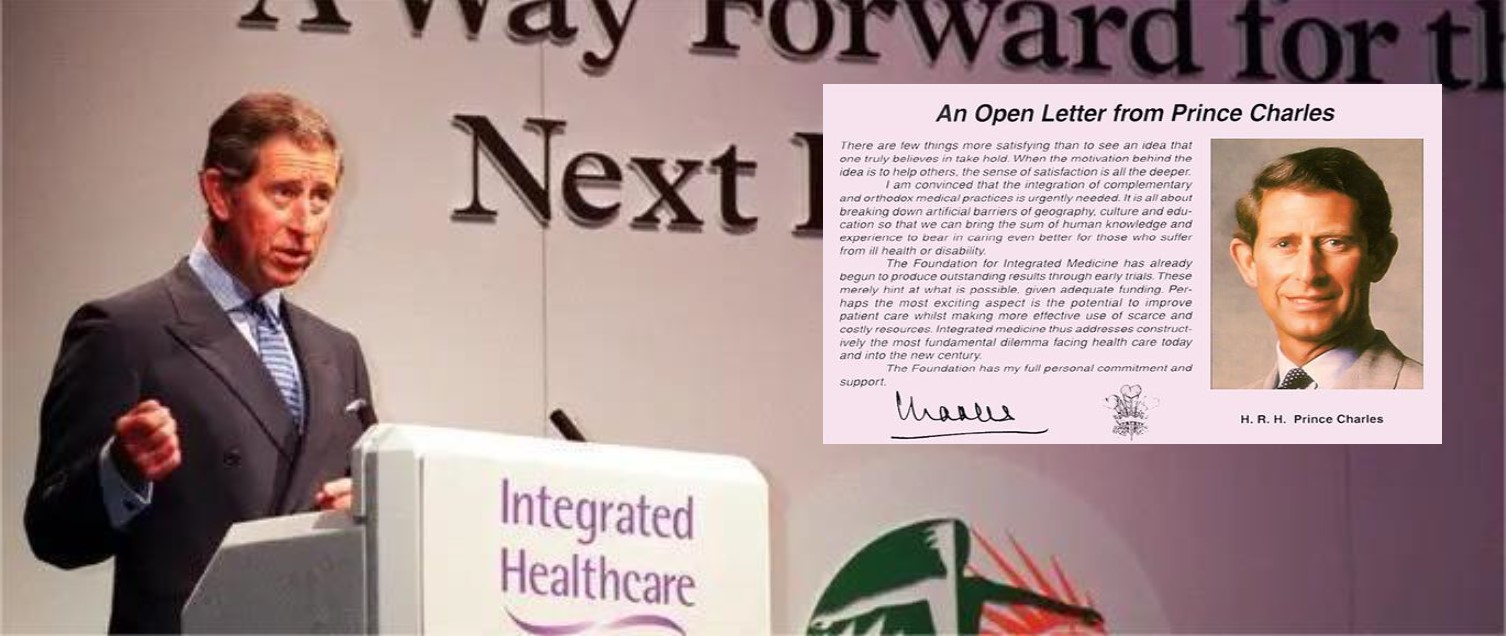
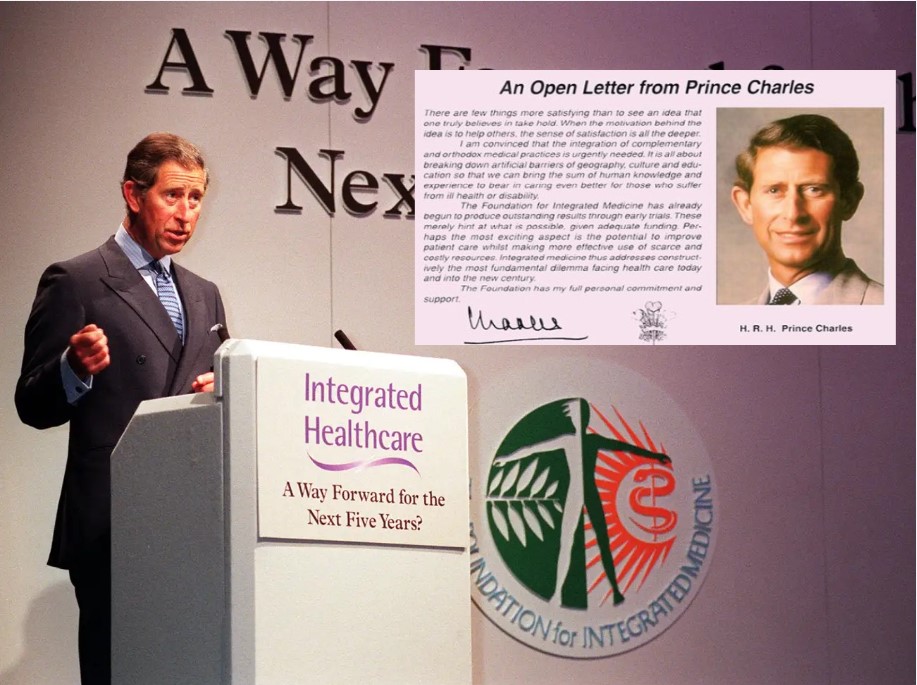
Integrated Medicine
HH Integrated Healthcare is a leading provider of integrative healthcare and complementary therapies, combining traditional wisdom with modern therapeutic standards. We are committed to delivering safe, evidence-based, and non-invasive treatment options that serve as effective alternatives to high-risk surgical procedures.
What is WHO’s position on Integrative Medicine?
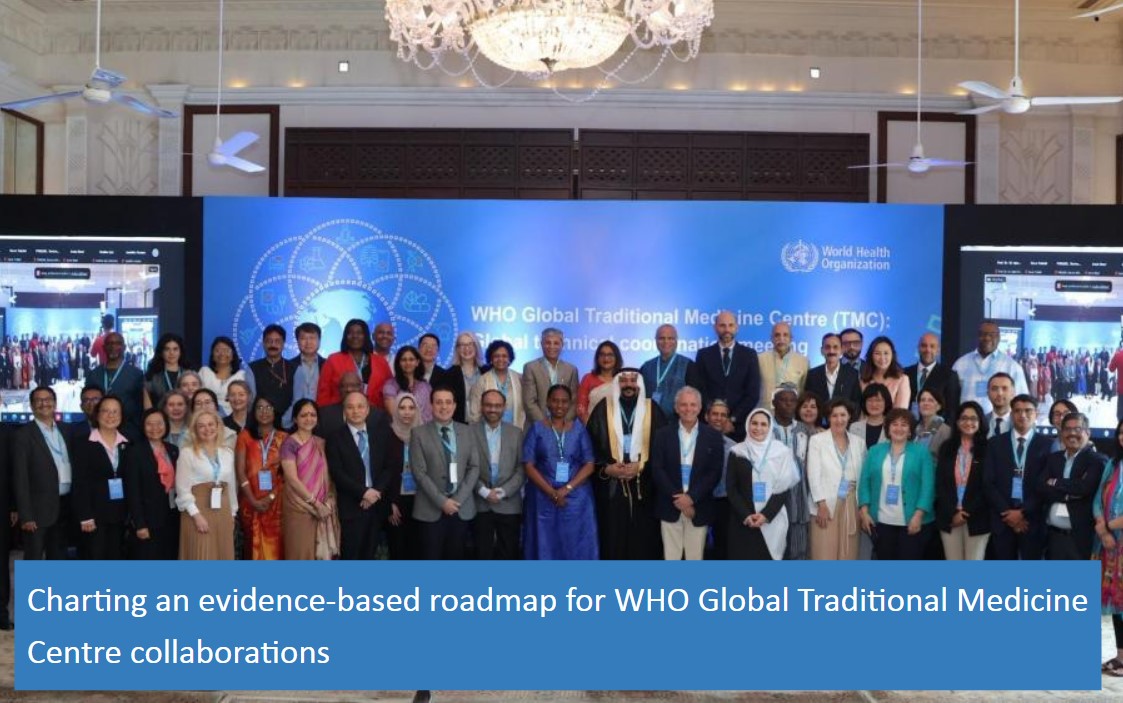
World Health Organization (WHO) recognizes the diversity of traditional, complementary and integrative medicine (T&CM) practices across countries of the world and its contribution to health, well-being, and people-centered health care and universal health coverage. Many countries have a long history of traditional medicine and practitioners that are important in providing care to populations, and WHO recognizes that traditional, complementary and alternative medicine has many benefits.

Integrative Medicine
Integrative medicine is an evidence-based, healing-oriented approach that combines conventional medicine and complementary therapies to promote Health and wellness.
The ultimate goal: to treat the patients better, through
the use of safe, effective and less-invasive interventions
whenever possible.
Integrative Medicine can be described as a practice that “Cherry Picks” the best and Scientifically supported therapies of both systems.
International experiences show that Integrated Medicine delivers far better outcomes through higher quality and more efficient care as well as reduced costs.
It is going to become even more important as population ages and the incidence of chronic diseases rises.
HH Integrated Healthcare is distinctive center with high reputation in the region as a leading provider of safe and effective non-surgical solution. We are confident that our unique approach offers a distinctive solution to your chronic illnesses.
Through innovative, non-surgical approaches, the HH team of specialists has successfully treated patients from across Africa and the Middle East, Europe and United States—many of whom were previously told that surgery was their only option, making us a trusted hub for non-surgical treatment both regionally and internationally.
Why is WHO working on Traditional Medicine?
One hundred seventy of WHO’s 194 Member States have reported on the use of herbal medicines, acupuncture, yoga, indigenous therapies and other forms of traditional medicines. Many countries recognize traditional medicine as a valuable source of healthcare and have taken steps to integrate practices, products and practitioners into their national systems.
Today, traditional medicine has become a global phenomenon; the demand is growing, with patients seeking greater agency and ownership of their health and well-being and seeking more compassionate and personalized health care.
WHO’s work on traditional medicine is a response to the requests from countries for evidence and data to inform policies and practice, global standards and regulations to ensure safety, quality and equitable access.
Why Do Patients Seek Unconventional Therapies?
In the past several decades we have seen a sea change in the medical landscape from the solo practice, primary care country doctor to large urbanized health care systems, from high-touch, low-cost care to high-tech, specialized, and expensive, sometimes impersonal health care. Some patients feel lost in our current health care system. They see specialist after specialist and receive prescription after prescription and test after test. They wonder whether their specialists speak to each other.
In the context of these historical and social changes, a field of unconventional medicine has evolved that has been known by a progression of names: holistic medicine, complementary and alternative medicine, and now integrative medicine. It is hoped that the perspectives offered by integrative medicine will eventually transform mainstream medicine by improving patient outcomes, reducing costs, improving safety, and increasing patient satisfaction.
Integrative medicine has been defined as “the practice of medicine that reaffirms the importance of the relationship between practitioner and patient, focuses on the whole person, is informed by evidence, and makes use of all appropriate therapeutic approaches, healthcare professionals and disciplines to achieve optimal health and healing.”
The most obvious differences between integrative and conventional medicine are its practitioners, who offer longer consultations and emphasize minimally invasive therapies, such as mind-body approaches, nutrition, prevention, and lifestyle changes, and focus on healing and wellness. In addition to conventional therapies, they may recommend alternatives, such as acupuncture, dietary supplements, and botanicals. The doctor-patient relationship emphasizes joint decision-making by the patient and the physician. More and more patients seek integrative medicine practitioners. By 2007, approximately 40% of adult Americans and 12% of children were using some form of alternative therapies compared with 33% in 1991.
The number of US hospitals offering integrative therapies, such as acupuncture, massage therapy, therapeutic touch, and guided imagery, has increased from 8% in 1998 to 42% in 2010.
Many academic cancer centers offer these integrative practices as part of a full spectrum of care. Other hospitals offer programs in integrative women’s health, cardiology, and pain management.
For more information about the benefits of the non-surgical treatment, visit the links below:
We are pleased to welcome your patient referrals and are confident in providing
outstanding treatment that ensures satisfaction for both you and your patients.
For appointments or inquiries, please contact us via:
Appointment: +254 (0) 705 700 777
Referral: +254 (0) 787 700 800
International Patient: +254 (0) 784 700 700