

WHY AFRICA NEEDS A GLOBAL INTEGRATED HEALTHCARE HUB
Access to quality healthcare is a fundamental human right for everyone in the world, including those in Africa. Many public healthcare systems across Africa face significant challenges.
Despite decades of efforts by governments, international organizations and private sectors, many healthcare challenges remain to be solved to provide quality healthcare for every citizen in Africa.
It is therefore not surprising that many Africans travel abroad, mainly to Europe, North America, and Asia, for medical care. In 2016, Africans spent over $6 billion on medical tourism abroad. (“Medical tourism 2022: Africa potential” report).
There is no reason for Africa to continue facing the challenges of an underperforming healthcare system. On the contrary, Africa’s healthcare sector has immense economic potential and can benefit from advanced healthcare technologies, global expertise, foreign investment, and innovation to address healthcare challenges and achieve the Sustainable Development Goals (SDGs).

With more than 15 years of research and field experience, the HH International Team proposes an innovative and practical solution to address healthcare challenges in Africa: the establishment of Global Integrated Healthcare (GH) Towns and Regional Hospitals across Africa in partnership with leading international companies and healthcare organizations.
This preliminary report introduces the vision and concept of the Global Integrated Healthcare Town project and highlights its potential benefits for participating countries. Detailed implementation strategies, investment frameworks, and partnership opportunities will be presented at the GH Town Investment Forum.
WHY IS AN INTEGRATED GLOBAL HUB NEEDED FOR CHRONIC ILLNESSES?
Today, despite significant advances in medical science and technology, millions of people around the world continue to suffer from chronic illnesses that are not easily managed by conventional treatments and medications alone.
The word “chronic illness” clearly highlights the complexity and difficulty of managing these conditions through current conventional medicine and treatments
According to the World Health Organization (WHO), NCDs account for approximately 71% of all deaths globally. As of the latest data, it is estimated that over 1.5 billion people globally are living with at least one chronic illness.
The prevalence of these diseases are rising due to factors such as ageing populations, urbanization, and lifestyle changes.
In Africa, the burden of chronic illnesses is also increasing. The WHO reports that NCDs account for about 27% of all deaths in the region. It is estimated that around 40 million people in Africa are living with chronic conditions.
WHO emphasizes the need for stronger healthcare infrastructure, prevention, and integrated approaches to address this growing challenge.
Chronic illnesses are a significant global public health challenge. There is a need for practical and innovative solutions that go beyond current medications and treatments, which have shown limitations in managing these conditions.
We have experienced that Integrative Medicine provides safe and effective therapies that have proven beneficial for both local and international patients.
Chronic illnesses are a significant global public health challenge. There is a need to develop practical solutions beyond current medications and treatments, which have shown limitations in managing these conditions.
We aim to dispel the misconception that surgery
is the only option for treating certain diseases.
There is a Huge Demand for it across Africa and around the World!
WHAT IS WHO’S POSITION ON INTEGRATIVE MEDICINE?
World Health Organization (WHO) recognizes the diversity of traditional, complementary and integrative medicine (T&CM) practices worldwide and its contribution to health, well-being, people-centred health care and universal health coverage.
Many countries have a long history of traditional medicine and practitioners who play an important role in healthcare delivery. WHO recognizes that traditional, complementary and integrative medicine has many benefits.
Why is WHO working on Traditional Medicine?
170 of WHO’s 194 Member States have reported the use of traditional medicine practices, including herbal medicines, acupuncture, yoga, indigenous therapies, and other traditional approaches.
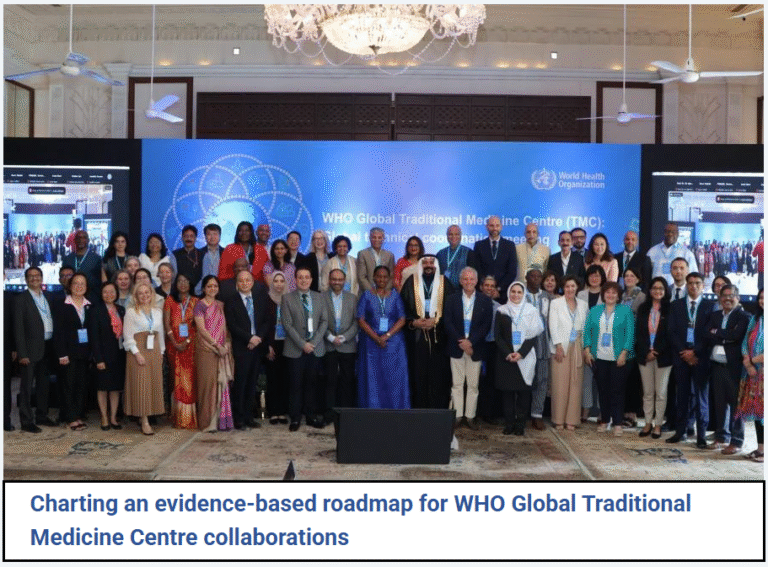
Why is WHO working on Traditional Medicine?
170 of WHO’s 194 Member States have reported the use of traditional medicine practices, including herbal medicines, acupuncture, yoga, indigenous therapies, and other traditional approaches.
Many countries recognize traditional medicine as a valuable healthcare resource and have taken steps to integrate appropriate practices, products, and practitioners into their national healthcare systems.
Today, traditional medicine has become a global phenomenon, with growing demand as patients seek greater control over their health and well-being through more compassionate and personalized healthcare. WHO’s work on traditional medicine is a response to the requests from countries for evidence and data to inform policies and practice, global standards and regulations to ensure safety, quality and equitable access.
For more info about Integrated Medicine, kindly visit WHO Website :
World Health Organization (WHO)
APPLICATION TO AFRICAN COUNTRIES
Africa is often considered the world’s last great untapped growth frontier.
With a young, rapidly urbanizing population of over 1.47 billion people, rising demand for essential services, and an expanding middle class, the continent presents significant opportunities beyond mature and saturated global markets.
Africa is no longer a future market; it is a market of today;
The continent is actively evolving, creating opportunities for investors, businesses, and strategic partners to participate and establish a strong presence. For market participants, this means that engagement is no longer about exploring opportunities — it is about securing a position.
The African Economic Community (AEC) is an organization of African Union states establishing grounds for mutual economic development among the majority of 55 member states.
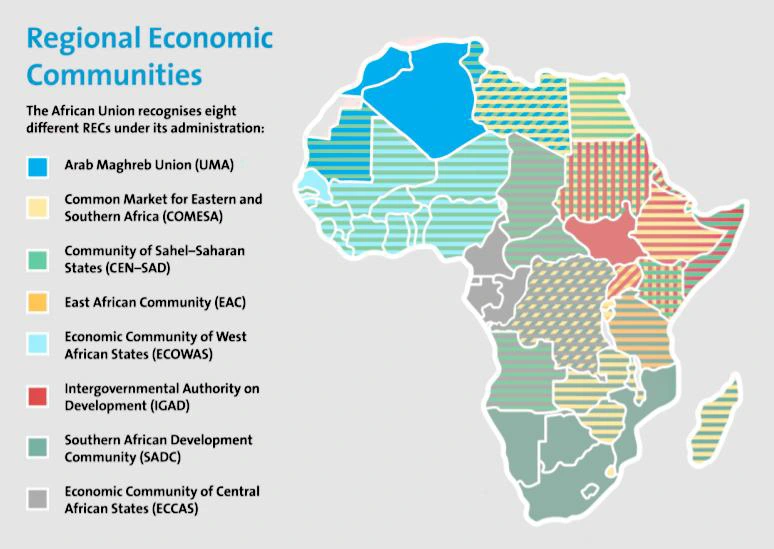
The healthcare sector strategies outlined in African countries’ Vision 2025, 2030, and 2040 development plans align with the benefits of the Global Integrative Healthcare Town initiative for the host country.
Health Tourism
About :
The specific strategies to achieve this include:
- Positioning the country as a leading destination for specialized healthcare and medical services.
- Training and retaining specialized expertise in both medical and non-medical sectors.
- Providing Africans with access to specialized medical services within the country.
- Creating significant employment opportunities in specialized healthcare and related sectors.
Impact :
- Establishment of a centre of excellence for medical tourism.
- Expansion of specialized treatment facilities and healthcare services.
- Increased job creation and economic growth within the healthcare sector.

AN INNOVATIVE - PRACTICAL SOLUTION AND AFRICA’S POTENTIAL CAPACITY
Imagine if African countries built
“A World-Class Healthcare Hub in Africa with Global Partners.”
Would there still be a need for patients to seek medical services abroad, facing inconvenience, complex processes, uncertainty, and high costs?
INSIGHT INTO AFRICA’S POTENTIAL TO BECOME A NEW HEALTHCARE HUB
Through decades of field research, we have recognized that African countries possess unique natural advantages and significant potential to become emerging hubs in the global healthcare market.
Some of these key strengths include:
Africa’s Potential Advantages as a Global Healthcare Hub
- Favorable year-round weather conditions, which can support the recovery and well-being of chronic illness patients.
- A large pool of young, educated, and skilled human resources.
- Cost-effective workforce and operational expenses.
- Availability of sufficient land to establish world-class comprehensive healthcare towns.
- Strategic land and air connectivity between Africa, the Middle East, Europe, Asia, and other regions.
- Reduced critical waiting time for patients compared to seeking medical services abroad, which involves a long complicated process.
HUGE IMPACTS ON HOSTING COUNTRIES
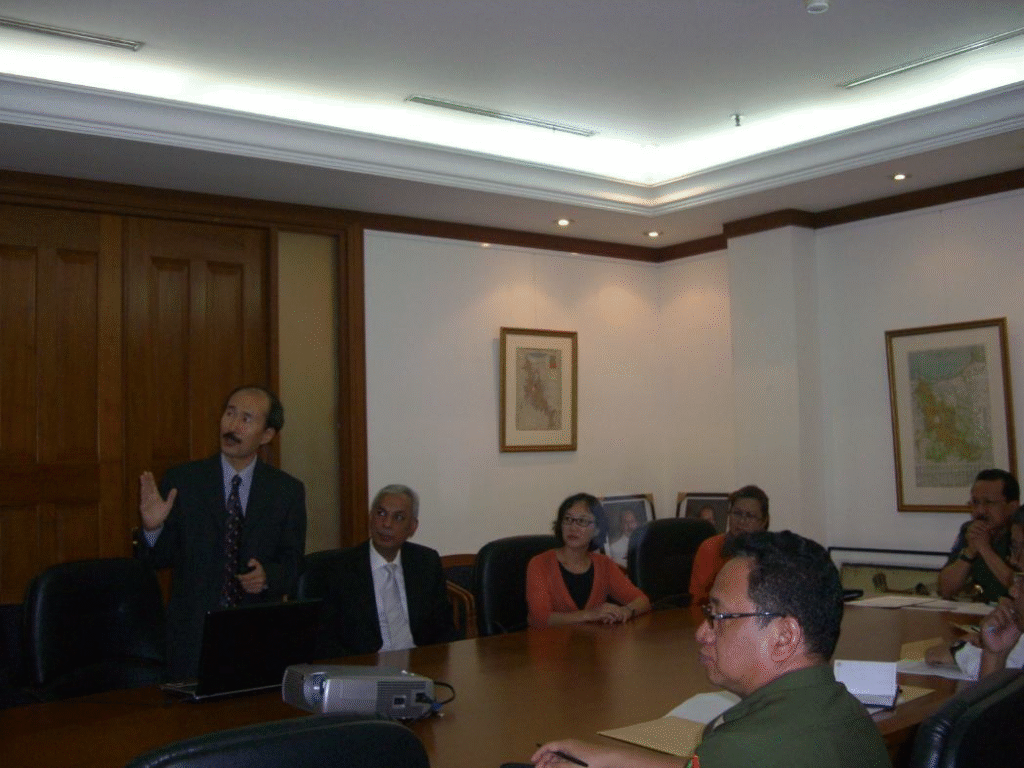
The HH team are presenting to Indonesian government officials and Jakarta Governor Mr. Fauzi Bowo
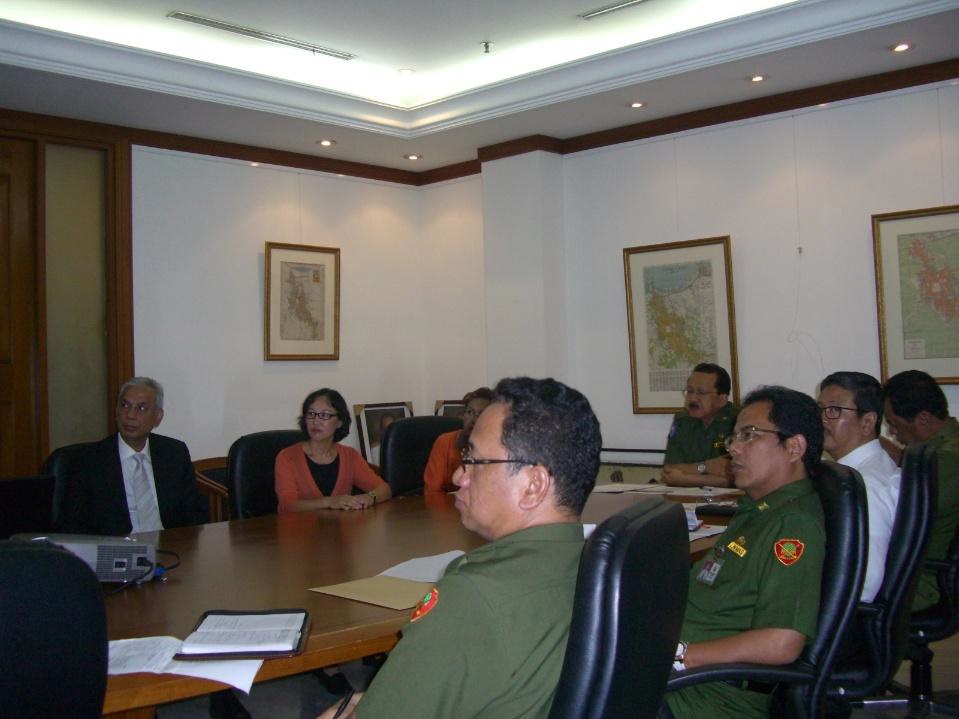
1. Hosting the World’s First Healthcare Hub (Non-Surgical & Surgical) in the Global Healthcare Market:
Unlike many other healthcare cities that mainly function as large medical facilities, the GH Town will become the World’s First Integrated Healthcare Town, providing comprehensive healthcare solutions through both non-surgical and surgical treatments in a world-class environment. It will offer patients worldwide safer and more effective healthcare options, especially for the growing demand for non-surgical treatments in the global healthcare market.
2. Attracting Quality Foreign Direct Investment and Driving Economic Growth:
In partnership with Global Companies, the GH Town project is designed to attract Quality Foreign Direct Investment (QFDI) and create significant economic benefits for the host country. The project is expected to attract approximately USD ( ) billion in Foreign Direct Investment (FDI) and generate estimated annual revenues of USD ( ) billion once fully operational. Also, it could save the billion USD capital flight yearly from Africa for medical tourism abroad.
3. Creating High-Quality Employment Opportunities:
The GH Town will create a large number of direct and indirect employment opportunities, including positions for doctors, nurses, healthcare professionals, assistants, caregivers, administrative staff, educators, and employees in supporting industries. The project is estimated to create approximately 100,000 direct jobs and 180,000 indirect jobs within five years.
4. Enhancing National – Global Competitiveness:
The GH Town will establish world-class medical school campuses, research and development (R&D) centres, and international representative offices. These facilities will strengthen the host country’s healthcare sector, enhance national – global competitiveness, attract international medical students, and support long-term sustainable economic development.
5. Promoting a Sustainable Green Economy:
Unlike some industrial development models that may contribute to environmental challenges, the GH Town focuses on a sustainable green economy approach that creates long-term benefits for future generations.
6. Huge Impact on the Construction Industry in the Hosting Country:
The GH Town project will utilize cutting-edge massive modular construction technology developed by global companies. This collaboration will enhance local expertise, technology transferring and the development of world-class construction capabilities.
FEATURES OF THE GLOBAL HEALTHCARE TOWN
- World’s 1st Integrated (Non-Surgical and Surgical), One-Stop Global Hub for Chronic Illnesses
- Innovative Sustainable Town: cutting edge technology, massive modular construction, green infrastructure, smart technology, zero-emission eco-friendly town
- Save the billion USD capital flight from Africa due to medical tourism abroad
- Specialized hospitals, renowned medical schools, R&D centers, and IT-based infrastructure
- Attracting Quality Foreign Direct Investment (Read more in the 2nd part of the report)
- Boost national economy and create a great number of quality jobs
TRANSFORMING A HUGE CHALLENGE INTO A GREAT OPPORTUNITY
Based on more than 15 years of field research and experience, the HH Team strongly believes that the “Global Healthcare Town with Regional Hospitals across Africa” project represents a practical and innovative solution to address Africa’s healthcare challenges.
Africa has significant potential to become a new healthcare hub in the global healthcare market. If successfully implemented, this initiative will make a meaningful contribution to improving healthcare access, quality of life, and well-being for people across Africa and beyond.
Beyond its economic benefits, the project represents a humanitarian commitment to supporting millions of patients and families affected by chronic illnesses worldwide.
The Global Healthcare Town (HQ) with Regional Hospitals across Africa is dedicated to advancing healthcare innovation and supporting the achievement of the third Sustainable Development Goal (SDG 3): ensuring healthy lives and promoting well-being for all.
Beyond its economic benefits, the project represents a humanitarian commitment to supporting millions of patients and families affected by chronic illnesses worldwide.
The Global Healthcare Town (HQ) with Regional Hospitals across Africa is dedicated to advancing healthcare innovation and supporting the achievement of the third Sustainable Development Goal (SDG 3): ensuring healthy lives and promoting well-being for all.
INVITATION TO LOCAL AND NATIONAL GOVERNMENTS
We invite governments to participate in the multinational Global Healthcare Town (HQ) with Regional Hospitals across Africa project.
Governments interested in joining this transformative healthcare initiative are invited to express their interest and participate in the upcoming Global Healthcare (GH) Town Investment Forum, where detailed investment opportunities, partnerships, and implementation strategies will be presented.
With a shared vision and commitment, let us work together to build a healthier Africa and a healthier world through the Global Healthcare Town initiative.
For further information, please contact:
Email: info@hhhgroup.org
Website: www.hhhgroup.org
© All rights reserved to HH International Limited
Page Under Construction
We’re currently working on this section to bring you updated contents.